
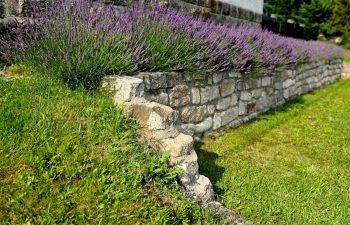
Retaining walls are the unsung heroes of landscape design, quietly holding back tons of soil while creating usable outdoor spaces and preventing erosion. But these hardworking structures don’t last forever without attention. Like any part of your property, retaining walls experience wear and stress that gradually compromises their integrity.
The difference between a minor repair and a complete wall replacement often comes down to timing. Catching problems early means addressing issues before they escalate into costly emergencies or dangerous failures. Yet many homeowners don’t realize their retaining wall is struggling until damage becomes obvious—and expensive.
Learning to recognize the warning signs of retaining wall distress helps you take action when repairs are still straightforward and affordable. Your wall is speaking to you through subtle changes and visible symptoms. The question is: are you listening?
Visible Cracks: The Most Obvious Red Flag
Cracks in your retaining wall range from minor cosmetic concerns to urgent structural warnings, and knowing the difference is crucial.
- Horizontal Cracks Signal Serious Pressure: When you notice horizontal cracks running along your wall, especially near the middle or lower sections, this indicates the wall is experiencing excessive pressure from the soil behind it. The earth is literally pushing hard enough to crack the structure. These cracks often start small but widen progressively as pressure continues building.
- Stair-Step Cracks in Block Walls: If you have a segmented block retaining wall and notice cracks forming in a stair-step pattern along the mortar joints, this suggests the wall is settling unevenly or experiencing lateral movement. The blocks are shifting relative to each other, compromising the wall’s structural integrity.
- Vertical Cracks May Indicate Settlement: Vertical cracks often result from the wall settling into the ground beneath it. While sometimes less immediately dangerous than horizontal cracks, they still signal foundation issues that will worsen over time. Water infiltration through these cracks accelerates deterioration and can lead to more serious problems.
- Multiple Small Cracks Add Up: Even hairline cracks deserve attention when they appear in clusters or continue multiplying. What starts as minor surface cracking can develop into structural failure as water penetrates, freezes, and expands within the material. These small cracks are your early warning system.
Bulging or Bowing: When Your Wall Loses Its Shape
A properly constructed retaining wall should maintain a straight, vertical profile. Any deviation from this geometry indicates trouble.
- Outward Bulging Shows Excessive Load: When sections of your wall push outward, creating a noticeable bulge or belly, the soil pressure behind the wall exceeds what the structure can safely contain. This is one of the most serious warning signs because bulging often precedes complete wall failure. The wall is literally being pushed over by the weight it’s supposed to retain.
- Leaning Indicates Foundation Problems: A retaining wall that tilts or leans away from the soil it’s holding back has lost its foundation stability. This might result from inadequate base preparation, soil erosion beneath the wall, or excessive hydrostatic pressure. Leaning walls rarely correct themselves—they continue tilting until they fail completely.
- Bowing Reveals Weakened Structure: Similar to bulging but typically more gradual, bowing creates a curved profile where your wall should be straight. This deformation demonstrates that the wall materials or construction methods aren’t adequate for the forces they’re resisting. The longer bowing continues, the weaker the wall becomes.
- Top-Heavy Tilting Needs Immediate Attention: When the upper portion of your wall leans outward while the base remains relatively stable, this creates a particularly dangerous situation. The wall is rotating and could topple suddenly, especially after heavy rain or freeze-thaw cycles that further destabilize the structure.
Separation and Movement: When Components Pull Apart
Retaining walls rely on components working together as a unified system. When pieces start separating, the wall’s integrity is compromised.
- Gaps Between Wall Sections: If you notice spaces opening up between individual blocks, stones, or segments of your wall, this indicates movement and shifting. These gaps allow soil to escape, water to penetrate, and pressure to concentrate in weakened areas. What starts as a small separation accelerates into larger structural problems.
- Wall Pulling Away From Steps or Structures: Retaining walls often connect to stairs, patios, or other landscape features. When you see the wall separating from these attached elements, it signals that the wall is moving independently—shifting, settling, or rotating in ways it wasn’t designed to handle.
- Capstones Becoming Loose or Displaced: The cap stones or top layer of your retaining wall should sit firmly in place. Loose, wobbly, or missing capstones indicate movement throughout the wall structure. While capstones themselves might seem like a minor concern, their displacement reveals underlying problems with the entire wall.
- Mortar Deterioration in Older Walls: For mortared stone or brick retaining walls, crumbling or missing mortar between stones creates weakness throughout the structure. Mortar deterioration allows individual stones to shift independently rather than functioning as a solid mass, dramatically reducing the wall’s strength.
Drainage Issues: The Hidden Threat
Proper drainage is absolutely critical to retaining wall longevity. Water problems often cause or accelerate structural failures.
- Standing Water Behind the Wall: If water pools against the back of your retaining wall after rain, your drainage system isn’t functioning properly. This standing water creates hydrostatic pressure—essentially, the weight of water pushing against your wall in addition to soil weight. Over time, this excessive pressure overwhelms the wall’s capacity.
- Soil Erosion and Washout: Notice soil washing out from behind or beneath your retaining wall? This erosion undermines the wall’s foundation and removes the compacted base that keeps everything stable. You might see soil staining on the wall face or actual gaps where soil has escaped between blocks or stones.
- Weep Holes Clogged or Absent: Retaining walls need weep holes—small openings that allow water to drain through the wall rather than building up behind it. If your wall’s weep holes are clogged with soil, debris, or vegetation, water can’t escape. Similarly, if your older wall lacks adequate drainage features entirely, water pressure is constantly threatening the structure.
- Efflorescence and Staining: White, powdery deposits (efflorescence) or rust-colored staining on your retaining wall indicate water is moving through the wall materials. While some moisture movement is normal, excessive staining suggests drainage problems or water saturating the soil behind the wall.
Soil and Landscape Changes: Environmental Red Flags
Sometimes the warning signs appear in the landscape around your wall rather than on the wall itself.
- Sinkholes or Depressions Behind the Wall: If the ground behind your retaining wall is sinking or developing depressions, soil is escaping somewhere—either washing out through the wall or settling into voids beneath the structure. This soil loss destabilizes everything above it and indicates serious drainage or structural problems.
- Excessive Plant Growth in Wall Joints: While a little moss might add character, aggressive plant growth—especially tree roots or deep-rooted vegetation—growing from within your wall’s joints actively pushes materials apart. Roots exert surprising force as they grow, widening cracks and displacing blocks or stones.
- Unusual Pooling on the Uphill Side: Water collecting in areas that previously drained normally might indicate that your retaining wall’s drainage system has failed or that the wall’s movement has altered how water flows through your landscape. This standing water then contributes to further wall degradation.
- Settled or Uneven Patio Above the Wall: If you have a patio, walkway, or other hardscape on the uphill side of your retaining wall and it’s settling unevenly or developing cracks, this often signals that the retaining wall below is moving or failing. The two problems are connected—fixing the patio without addressing the wall won’t solve anything.
Age and Material Deterioration: Time Takes Its Toll
Even without obvious dramatic failures, retaining walls deteriorate gradually through normal aging processes.
- Surface Spalling and Flaking: Concrete and some stone materials develop surface deterioration where the outer layer flakes or chips away. This spalling exposes interior material to moisture and freeze-thaw cycles, accelerating decay. What starts as cosmetic damage progresses into structural weakness.
- Fading and Weathering: While purely aesthetic concerns don’t necessarily require repair, significant weathering often accompanies other deterioration. A retaining wall that looks dramatically aged probably is aged, and older walls often lack the structural features modern building codes require.
- Rusty Reinforcements: Some retaining walls use metal tie-backs, anchors, or reinforcing elements. If you notice rust staining or can see corroded metal components, these structural elements are weakening. Compromised reinforcement means the wall can’t handle the loads it was designed to support.
- Timber Rot in Older Walls: Timber retaining walls have a limited lifespan. If you have a wood retaining wall showing signs of rot, insect damage, or structural instability, it’s approaching or past the end of its service life. These walls can fail suddenly and typically require complete replacement rather than repair.
Don’t Let Small Problems Become Major Failures in Cumming
Retaining wall problems never improve on their own—they only worsen over time. That small crack you’re monitoring will grow. That slight lean will become a dangerous tilt. The minor drainage issue will cause major washout. Every season that passes without addressing warning signs allows damage to compound, making eventual repairs more extensive and expensive.
The good news? Catching problems early means repairs are often straightforward and far less costly than waiting until your wall fails completely. Professional assessment can determine whether your wall needs minor repairs, drainage improvements, or more significant intervention.
Pannone’s Lawn Pros & Landscaping brings expert knowledge to retaining wall evaluation and repair. With extensive experience in both identifying structural problems and implementing lasting solutions, the team understands how to restore your retaining wall’s integrity and protect your landscape investment.
Don’t wait for a complete failure to take action. Contact Pannone’s Lawn Pros & Landscaping in Cumming today for a professional retaining wall assessment and discover how proactive repair can save you money while protecting your property for years to come.
Posted on behalf of
1444 Buford Hwy
Cumming, GA 30041
Phone: (678) 294-0351
Email: pannoneslawnpros@gmail.com
Monday - Saturday 8:00 AM – 6:00 PM