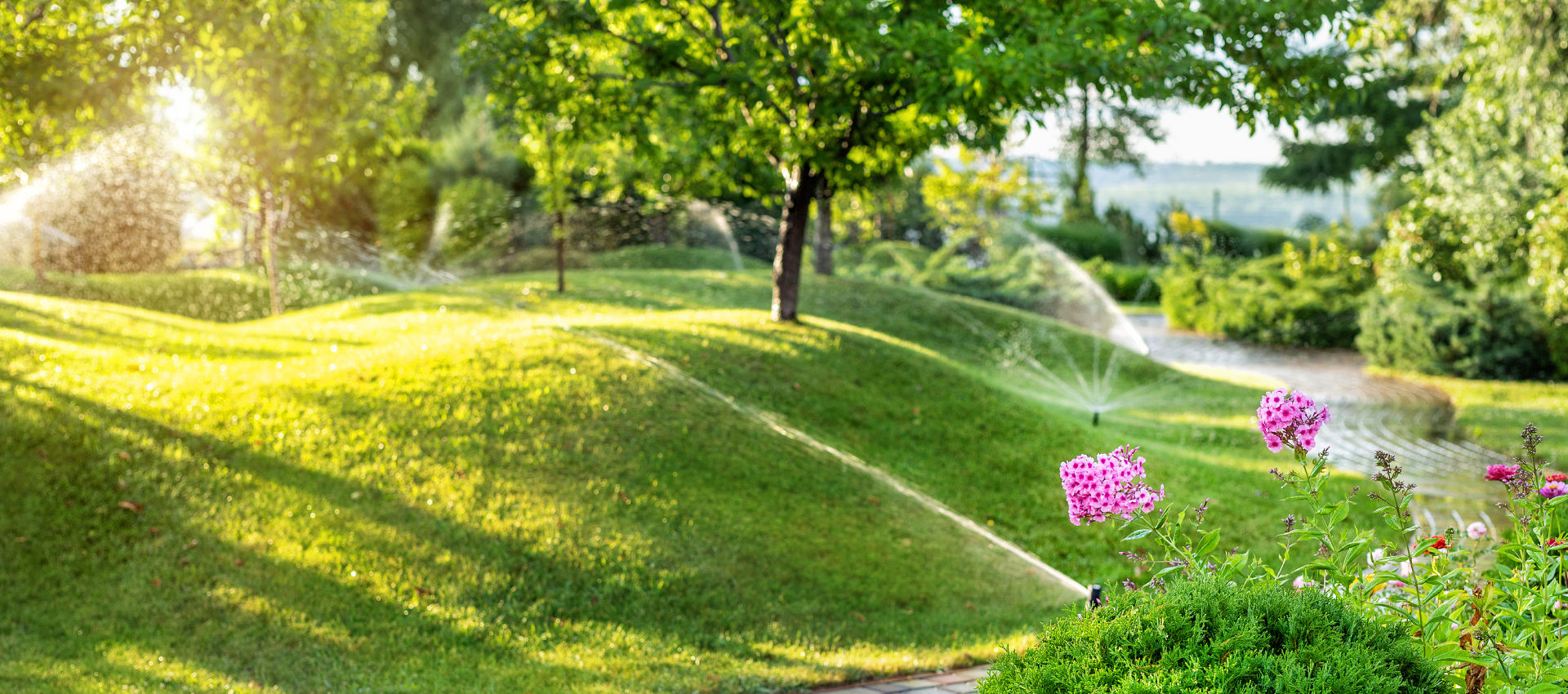

The landscaping industry stands at the threshold of a technological revolution that will fundamentally transform how we maintain and care for outdoor spaces. While traditional lawn care methods have served homeowners well for decades, emerging technologies promise to make lawn maintenance more efficient, environmentally sustainable, and precisely tailored to each property’s unique needs.
For homeowners in Cumming, Suwanee, and Johns Creek, understanding these coming innovations isn’t just about staying ahead of trends – it’s about preparing for a future where lawn care becomes smarter, more automated, and incredibly more effective. The convergence of artificial intelligence, robotics, biotechnology, and environmental science is creating possibilities that seemed like science fiction just a few years ago.
At Pannone’s Lawn Pros & Landscaping, we’re not just observers of this transformation – we’re actively preparing to integrate these revolutionary technologies as they become available, ensuring our clients in North Metro Atlanta continue to receive the most advanced lawn care services possible.
Smart Lawn Ecosystems: The Internet of Grass
The future of lawn care will be built on interconnected smart systems that monitor, analyze, and respond to your lawn’s needs in real-time, creating what experts call “smart lawn ecosystems” that optimize every aspect of turf health and maintenance.
- Soil Intelligence Networks: Imagine having hundreds of microscopic sensors throughout your lawn, continuously monitoring soil moisture, nutrient levels, pH, temperature, and even microbial activity. These sensor networks will provide unprecedented insight into your lawn’s health, detecting problems before they become visible and optimizing growing conditions with surgical precision.
- AI-Powered Lawn Management: Artificial intelligence systems will process data from soil sensors, weather stations, satellite imagery, and historical performance data to create personalized lawn care protocols for each property. These systems will predict optimal mowing schedules, irrigation timing, fertilization needs, and pest management strategies with accuracy far beyond human capability.
- Automated Response Systems: Smart lawn ecosystems will automatically adjust irrigation systems, deploy targeted treatments, and even schedule maintenance services based on real-time conditions. If soil moisture drops in one area, the system responds immediately. If disease pressure increases, preventive treatments deploy automatically.
- Predictive Maintenance: Advanced analytics will predict lawn care needs weeks or months in advance, preventing problems rather than reacting to them. This proactive approach will eliminate many common lawn issues while optimizing resource usage and reducing costs.
These integrated systems will transform lawn care from a reactive, scheduled service to a proactive, responsive ecosystem that maintains optimal conditions continuously.
Robotic Revolution: The New Workforce of Lawn Care
Robotic technology is evolving rapidly from simple automated mowers to sophisticated machines capable of performing complex lawn care tasks with precision and efficiency that rivals or exceeds human capability.
- Next-Generation Robotic Mowers: Future robotic mowers will be far more advanced than today’s models, incorporating AI navigation, machine learning for pattern optimization, and the ability to handle complex terrain and obstacles. These machines will create intricate mowing patterns that promote healthier turf growth while avoiding sensitive areas and integrating with other landscape features.
- Multi-Function Landscaping Robots: Emerging robotic systems will perform multiple functions beyond mowing, including fertilizer application, pest control, leaf removal, and even basic planting tasks. These versatile machines will work autonomously, following AI-generated schedules optimized for each property’s specific needs.
- Precision Treatment Robots: Specialized robots will identify and treat specific lawn problems with incredible accuracy. Using advanced imaging and chemical detection systems, these machines will spot individual weeds, diseased areas, or pest infestations and apply targeted treatments without affecting surrounding healthy turf.
- Swarm Robotics for Large Properties: For larger properties, coordinated swarms of smaller robots will work together to maintain extensive lawn areas efficiently. These systems will communicate with each other to optimize coverage, avoid conflicts, and complete tasks in the shortest time possible.
- Weather-Adaptive Operations: Future lawn care robots will integrate real-time weather data and predictive meteorology to optimize their schedules, working around weather conditions and even preparing lawns for incoming weather events.
Biotechnology Breakthroughs: Engineering Better Grass
Advances in biotechnology and genetic research are creating new possibilities for developing grass varieties that are more resilient, require fewer resources, and provide superior performance in North Georgia’s climate conditions.
- Climate-Adapted Turf Varieties: Scientists are developing grass varieties specifically engineered for changing climate conditions, creating turf that thrives in temperature extremes, requires less water, and maintains color and density under stress conditions that would damage traditional varieties.
- Self-Fertilizing Grass: Biotechnology researchers are working on grass varieties that can fix nitrogen from the air, similar to how legumes work, reducing or eliminating the need for synthetic fertilizers. These varieties would maintain optimal nutrition naturally while reducing environmental impact.
- Pest and Disease Resistant Varieties: Advanced breeding techniques and genetic modification are creating grass varieties with built-in resistance to common pests and diseases. These developments could dramatically reduce the need for chemical treatments while maintaining healthier, more attractive lawns.
- Drought-Resistant Innovations: New grass varieties with enhanced drought tolerance will maintain green, attractive appearance with significantly less water. Some experimental varieties can survive extended periods without irrigation while quickly recovering when water becomes available.
- Color-Enhanced Varieties: Biotechnology is enabling the development of grass varieties with enhanced color properties, staying greener longer and recovering color more quickly after stress. Some varieties may even offer unique color variations for specialized landscape applications.
These biotechnology advances will provide homeowners with turf options that are more resilient, sustainable, and attractive than anything available today.
Environmental Sustainability Revolution
The future of lawn care will be defined by environmental sustainability, with technologies and practices that minimize ecological impact while maximizing lawn health and beauty.
- Carbon Capture Landscaping: Future lawn care will focus on maximizing the carbon sequestration potential of turf and landscaping. Advanced soil management techniques, specialized grass varieties, and integrated tree and shrub plantings will turn lawns into significant carbon sinks that help combat climate change.
- Closed-Loop Water Systems: Innovative water management systems will capture, treat, and reuse all water on a property, creating closed-loop systems that eliminate water waste. Advanced filtration and treatment technologies will allow greywater and rainwater to be processed and reused for irrigation with minimal environmental impact.
- Biodegradable Treatment Products: The next generation of lawn care products will be completely biodegradable and derived from natural sources. These products will provide effective pest control, fertilization, and disease management while breaking down harmlessly in the environment.
- Integrated Ecosystem Management: Future landscaping will view lawns as part of larger ecological systems, integrating native plants, pollinator habitats, and wildlife corridors into traditional lawn areas. This approach will support local ecosystems while maintaining attractive, functional outdoor spaces.
- Solar-Powered Maintenance Systems: All lawn care equipment and systems will increasingly operate on renewable energy, with solar panels integrated into maintenance infrastructure to power robotic systems, irrigation controllers, and monitoring equipment.
Precision Agriculture Techniques for Residential Lawns
Technologies developed for large-scale agriculture are being adapted for residential lawn care, bringing unprecedented precision and efficiency to turf management.
- Satellite and Drone Monitoring: Advanced imaging from satellites and drones will provide detailed analysis of lawn health, identifying stress areas, disease outbreaks, and nutrient deficiencies before they become visible to the naked eye. This technology will enable targeted interventions that address specific problems without treating entire lawn areas unnecessarily.
- Variable Rate Application Technology: Future lawn care equipment will apply fertilizers, pesticides, and other treatments at variable rates across a property based on specific needs identified through advanced monitoring. Areas requiring more treatment receive it, while healthy areas receive minimal intervention.
- Precision Seeding and Overseeding: Advanced seeding equipment will place seeds at optimal depths and spacing with GPS precision, ensuring maximum germination rates and uniform establishment. Robotic systems will monitor germination and apply follow-up treatments as needed.
- Micro-Climate Management: Precision sensors will monitor micro-climates within individual properties, identifying areas with different sun exposure, moisture retention, and growing conditions. Management practices will be customized for each micro-zone to optimize growth and health.
- Real-Time Nutrient Management: Continuous soil monitoring will enable real-time adjustment of fertilization programs based on actual nutrient uptake and availability, eliminating over-fertilization and ensuring optimal nutrition without waste.
Smart Irrigation: The Water Management Revolution
Water management technology is advancing rapidly, creating systems that use water more efficiently while maintaining superior lawn health and appearance.
- AI-Controlled Irrigation Systems: Artificial intelligence will control irrigation systems using data from soil sensors, weather forecasts, satellite imagery, and plant physiological indicators. These systems will apply the exact amount of water needed, exactly when and where it’s needed, eliminating waste while optimizing plant health.
- Atmospheric Water Generation: Emerging technologies can extract water from air humidity, providing supplemental irrigation water even in dry conditions. These systems will be particularly valuable during drought periods or for properties in water-restricted areas.
- Smart Sprinkler Technology: Future sprinkler heads will adjust their spray patterns, droplet size, and application rates automatically based on wind conditions, soil moisture, and plant needs. Some systems will even move to follow sun patterns or avoid pedestrian traffic automatically.
- Predictive Irrigation Scheduling: Advanced weather modeling and plant physiological monitoring will enable irrigation systems to predict plant water needs days or weeks in advance, pre-irrigating before stress periods and adjusting schedules based on predicted weather patterns.
- Water Recycling Integration: Smart irrigation systems will integrate with household greywater systems, rainwater collection, and even atmospheric water generation to create comprehensive water management strategies that minimize reliance on municipal water supplies.
The Connected Landscape: Integration and Automation
The future of lawn care will be characterized by seamless integration between different systems and technologies, creating comprehensive landscape management platforms that handle all aspects of outdoor maintenance.
- Unified Management Platforms: Single software platforms will control all aspects of landscape management, from irrigation and lighting to security systems and maintenance scheduling. Property owners will have complete control and monitoring capability through intuitive mobile applications.
- Predictive Maintenance Scheduling: Advanced analytics will predict when maintenance services will be needed, automatically scheduling appointments and ensuring optimal timing for all lawn care activities. This proactive approach will prevent problems and optimize results.
- Integration with Home Automation: Landscape management systems will integrate seamlessly with home automation platforms, coordinating outdoor systems with indoor climate control, security systems, and energy management for comprehensive property optimization.
- Professional Service Coordination: Future systems will coordinate with professional lawn care services, providing detailed data about property conditions, service history, and upcoming needs to ensure optimal service delivery and communication.
- Neighbor Network Integration: Advanced systems may even coordinate with neighboring properties to optimize resource usage, coordinate pest management efforts, and share beneficial practices across entire neighborhoods.
Preparing for the Future with Pannone’s Lawn Pros & Landscaping
While many of these technologies are still emerging, the future of lawn care is arriving faster than many expect. At Pannone’s Lawn Pros & Landscaping, we’re actively monitoring these developments and preparing to integrate new technologies as they become practical and cost-effective for our clients in North Metro Atlanta.
Our commitment to staying at the forefront of lawn care innovation ensures that our clients will have access to the most advanced, efficient, and environmentally sustainable lawn care services as these technologies mature. We believe that the future of landscaping will be more precise, more sustainable, and more effective than ever before.
The lawns of tomorrow will be healthier, more beautiful, and require fewer resources while providing greater environmental benefits. By working with professionals who understand and prepare for these coming changes, homeowners in Cumming, Suwanee, and Johns Creek can be ready to take advantage of these revolutionary advances as they become available.
Contact Pannone’s Lawn Pros & Landscaping today to learn more about how we’re preparing for the future of lawn care and how these innovations will benefit your North Georgia landscape in the years to come.
Posted on behalf of
1444 Buford Hwy
Cumming, GA 30041
Phone: (678) 294-0351
Email: pannoneslawnpros@gmail.com
Monday - Saturday 8:00 AM – 6:00 PM