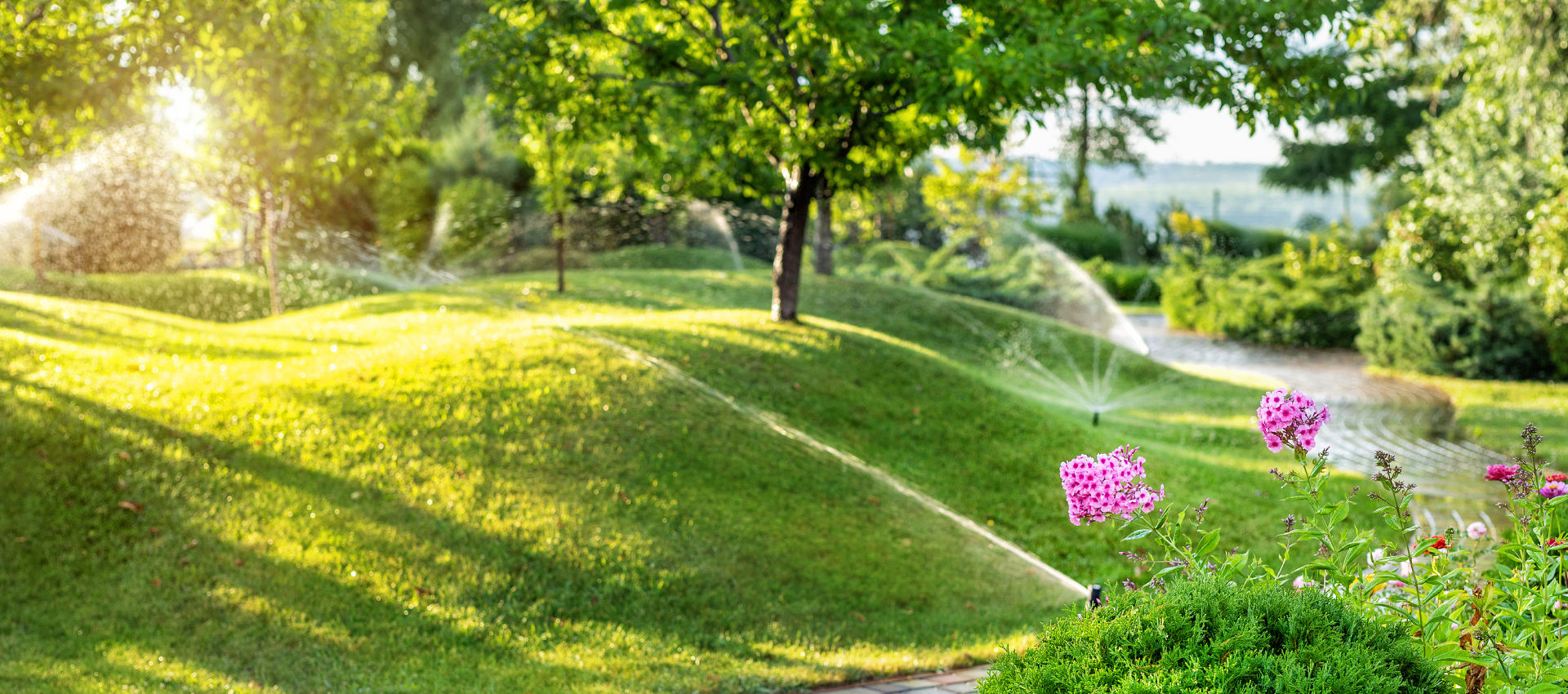

Georgia summers don’t ease in gradually. One week you’re enjoying pleasant spring afternoons, and the next you’re facing a wall of heat and humidity that doesn’t relent until October. For your landscape, this seasonal shift represents the most stressful period of the year—and what you do in May largely determines whether your lawn and plants survive, struggle, or thrive.
At Pannone’s Lawn Pros & Landscaping, we’ve guided Cumming, Suwanee, and Johns Creek homeowners through more than a decade of Georgia summers. The difference between landscapes that emerge healthy in fall and those that limp along damaged often comes down to preparation done before temperatures peak.
Why Georgia Summers Are Uniquely Challenging
North Georgia summers combine factors that create perfect storm conditions for landscape stress. Understanding these challenges helps explain why preparation matters so much.
- Intense Heat: Temperatures regularly exceed 90 degrees from June through August, with heat indices pushing well past 100. Soil temperatures rise dramatically, stressing root systems even when air temperatures briefly moderate.
- Humidity Paradox: High humidity might seem beneficial for plants, but it actually creates problems. Fungal diseases thrive in humid conditions. Plants struggle to cool themselves through transpiration when surrounding air is already moisture-saturated. The combination of heat and humidity proves more stressful than dry heat alone.
- Inconsistent Rainfall: Summer storms are intense but unpredictable. Your landscape might receive two inches in an hour, then nothing for three weeks. This feast-or-famine pattern stresses plants adapted to more consistent moisture.
- Clay Soil Complications: North Georgia’s notorious clay soil compounds every summer challenge. It sheds water during heavy rains rather than absorbing it, then bakes into concrete-like hardness during dry spells. Roots struggle to penetrate compacted clay, limiting their ability to access deeper moisture reserves.
The May Preparation Window
May represents your last comfortable opportunity to prepare landscapes for summer stress. Once June arrives, working outdoors becomes unpleasant, and plants are already coping with heat rather than establishing resilience. The tasks you complete now pay dividends for months.
Soil Health Foundation
Healthy soil supports healthy plants, and healthy plants handle stress better. Before summer arrives, address your soil’s ability to retain moisture and support root growth.
- Aeration: Compacted soil from winter foot traffic and spring rains needs loosening. Core aeration creates channels for water, air, and nutrients to reach root zones. For warm-season grasses like Bermuda and Zoysia—common throughout our area—late spring aeration sets up strong summer growth.
- Top Dressing: A thin layer of quality compost or sand-soil mix improves soil structure over time. This amendment helps clay soils drain better while retaining more moisture during dry periods—addressing both extremes of Georgia’s summer rainfall pattern.
- Soil Testing: If you haven’t tested your soil recently, May is ideal timing. Results guide fertilization decisions and identify deficiencies that could weaken plants heading into stressful months.
Mulch: Your Landscape’s Best Friend
Nothing protects landscapes from summer heat more effectively than proper mulching. A two-to-three-inch layer of quality mulch delivers multiple benefits that compound during hot weather.
- Temperature Regulation: Mulch insulates soil from temperature extremes. While exposed soil might reach 120 degrees on a July afternoon, mulched soil stays dramatically cooler—reducing root stress significantly.
- Moisture Retention: Mulch dramatically reduces evaporation from soil surfaces. Water that would disappear within hours from bare soil remains available to roots for days under mulch coverage.
- Weed Suppression: Summer weeds compete with desirable plants for limited water. Mulch prevents weed germination, eliminating this competition before it starts.
- Soil Health: As organic mulches decompose, they improve soil structure and add nutrients. This ongoing amendment process builds healthier soil over time.
Fresh mulch in May means maximum protection when your landscape needs it most. Waiting until mid-summer means plants have already experienced weeks of unnecessary stress.
Irrigation System Readiness
If you have an irrigation system, May is the time to ensure it’s ready for heavy summer use. Systems that sat dormant through winter often need attention.
- Complete Inspection: Check every zone for broken heads, clogged nozzles, and coverage gaps. One malfunctioning head can leave a significant area unwatered—damage you’ll see as brown patches once heat arrives.
- Timing Adjustment: Spring watering schedules don’t work for summer. Adjust run times and frequencies for hotter conditions, and ensure watering happens in early morning when evaporation is minimal and fungal disease pressure is lowest.
- Coverage Evaluation: Walk your property while the system runs. Look for dry spots, areas receiving excessive water, and overspray onto hardscapes. Fine-tuning now prevents problems later.
For properties without irrigation, consider installation before summer demand peaks. Hand watering rarely provides the consistent, adequate moisture landscapes need during extended heat.
Strategic Planting Decisions
May marks the end of ideal planting season for most species. What goes in the ground now needs establishment time before summer stress arrives.
- Complete Spring Projects: Any plants you’ve been meaning to install should go in immediately. Root systems need several weeks of moderate temperatures to establish before facing heat stress.
- Delay New Projects: Major landscape installations should wait until fall. Plants installed in June or July face an uphill battle, requiring intensive care to survive their first summer.
- Assess Existing Plantings: Identify any plants that struggled last summer. Were they in appropriate locations? Did they receive adequate water? Address issues now rather than watching the same plants fail again.
Lawn Preparation Specifics
Your lawn covers more square footage than any other landscape element, making its summer health particularly important.
- Mowing Height: Raise your mowing height as temperatures climb. Taller grass shades soil, reducing moisture loss and keeping roots cooler. For most warm-season grasses, summer mowing height should be at the upper end of the recommended range.
- Fertilization Timing: Apply summer fertilizer before extreme heat arrives. Fertilizing during heat stress can damage lawns rather than helping them. A May application provides nutrients for summer growth without the risks of mid-summer feeding.
- Weed Control Completion: Pre-emergent herbicides applied in early spring should still be providing protection, but any breakthrough weeds need addressing before they set seed. Post-emergent treatments become risky once temperatures exceed 85 degrees consistently.
- Thatch Assessment: Excessive thatch prevents water from reaching soil and harbors disease. If your lawn feels spongy underfoot, dethatching before summer improves water penetration and overall health.
Creating Heat Refuges
Not every area of your landscape receives equal sun exposure. Identifying and enhancing naturally cooler microclimates creates refuges where sensitive plants can survive summer.
North-facing exposures, areas shaded by structures or large trees, and spots near water features all stay cooler than surrounding landscape. Strategic use of these areas allows you to grow plants that wouldn’t survive in full Georgia sun.
Privacy trees and shade tree installation represents a longer-term investment in landscape comfort. Trees planted this spring won’t provide significant shade this summer, but they begin contributing to cooler outdoor spaces within a few years.
The Professional Advantage
Summer landscape survival often comes down to details—the exact amount of water, the proper mulch depth, the right fertilizer timing. Professional landscape maintenance eliminates guesswork during the season when mistakes prove most costly.
At Pannone’s, our weekly maintenance programs include seasonal adjustments that address summer’s specific demands. We monitor for early stress signs, adjust care protocols as conditions change, and catch problems before they become visible damage.
Start Your Summer Preparation Now
May’s pleasant temperatures make it easy to forget what’s coming. But landscapes prepared now will look dramatically better come September than those left to face summer unprepared.
Pannone’s Lawn Pros & Landscaping has helped homeowners throughout Cumming, Suwanee, Johns Creek, and greater Forsyth County prepare for and survive Georgia summers for over a decade. From comprehensive spring preparation to ongoing summer maintenance, we provide the expertise your landscape needs to thrive despite challenging conditions.
Ready to prepare your landscape for the heat ahead? Contact Pannone’s Lawn Pros & Landscaping at (678) 294-0351 to schedule your pre-summer assessment. Let’s make sure your property is ready for whatever Georgia’s summer brings.
Posted on behalf of
1444 Buford Hwy
Cumming, GA 30041
Phone: (678) 294-0351
Email: pannoneslawnpros@gmail.com
Monday - Saturday 8:00 AM – 6:00 PM